
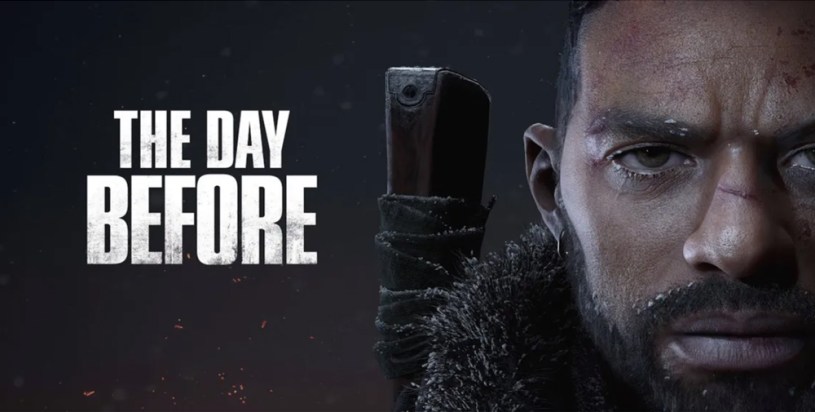
The Day Before was one of the most highly anticipated games, ever. After years of speculation and doubt that the game actually existed, the self-proclaimed massive multiplayer online (MMO) zombie survival game finally dropped on Steam Dec. 7, 2023.
Unfortunately, the game people received was not the game they were promised. Between multiple delays from supposedly upgrading the game to the Unreal 5 engine to a legal dispute with a calendar app, the game’s developer, Fntastic, admitted there were many road bumps in the development process. However, with Fntastic abruptly shuttering its business and removing almost all evidence it ever existed from social media just four days after launch, many gamers were left wondering, was this just a scam all along?
“I was really looking forward to this game,” said Twitch streamer theDEFSTAT. “I’m a big fan of zombie games and I’m a big fan of MMOs. I love playing DayZ, but I really wanted something that would incorporate more [roleplaying game] mechanics and base building.”
The hype around The Day Before began in 2021 when Fntastic dropped an introductory trailer that presented a game that felt like a crossover between The Division and The Last of Us thanks to its massive open world, scavenging mechanics, PvPvE gameplay, and large city backdrop. While many people were blown away by what they were watching, others were skeptical about what the final game would actually include.
“This looks cool! But it also looks like a super super super polished demo and the real version is not going to look like this haha,” wrote IGN user Ooshbala when the trailer dropped.
And Ooshbala was correct. The game that launched was nothing like what was advertised. Servers were capped at 32 players, a far cry from more traditional MMOs that play host to upwards of 1,000 players. While there are some survival elements to the game, there was an abysmally small number of zombies and the low player count made PvP something you had to seek out rather than encounter naturally through a standard playthrough. And the level of bugs players encountered made the game nearly impossible to play on day one.
“It’s more like a walking simulator than a survival game,” said theDEFSTAT to his chat. “Yeah, there are a lot of bugs but you kind of expect that sort of thing when a new game comes out, especially from an indie developer. You know they don’t have the same kind of budget those large AAA game developers have.”
Like theDEFSTAT, many gamers were willing to look beyond the initial issues because the game wasn’t actually that bad if you took it at face value.
“It wasn’t what was advertised, that’s true,” said theDEFSTAT. “But once the initial bugs were worked out, which, to their credit, were fixed pretty quickly, it was actually kind of fun. This game had a whole lot of potential. I had real hoped they could pull a No Man’s Sky and build upon what they had to make the game we wanted.”
No Man’s Sky is another indie game that suffered a similar conundrum when it launched in 2016. Like The Day Before, the game launched without much of the mechanics its developers, Hello Games, hyped up prior to launch. Unlike the latter, however, Hello Games didn’t bail on the game at the first controversy. Instead, they continued to build it, refine it, and add additional content, making it a game that continues to have a loyal fan base.
But Fntastic is not Hello Games. Instead of continuing to work on the game to make the former #1 most wish-listed game something people wanted, the studio decided to simply fold instead.
https://platform.twitter.com/widgets.jsOfficial statement. #fntastic #thedaybefore #propnight pic.twitter.com/AKcRHeIaIW
— Fntastic (@FntasticHQ) December 11, 2023
This situation is still unfolding, and we don’t have all the behind-the-scenes information about what really happened at the studio, but all the people who raised the warning flags are looking rather prophetic right now. But was the game a scam or just a folly of poor business practices?
“What doesn’t make sense is the timeline of it all,” said theDEFSTAT. “It wouldn’t be the first time a hyped game fell flat on its face. It also wouldn’t be the first time a game developer has become financially unviable and forced to close. But it shut its doors so soon after launch that if it was a scam, they not only wasted all the players’ time, they wasted their own because they didn’t stick around long enough to cash out from Steam.”
“It takes about 30 days for a studio to be paid by Steam,” said a former Fnatastic employee who asked to remain anonymous. “We didn’t take that into account when we made the decision to 1986 ourselves. This whole situation has been a really valuable experience and we’ve learned a lot for our next scam, whatever that may be.”
Sign up for the Alpine 6 Action News newsletter and never miss another article!
Discover more from Alpine 6 Action News
Subscribe to get the latest posts sent to your email.
 Alpine 6 Action News