
CONCORD, N.H. — After years of avocado toast, participation trophies and refusing to buy houses with the money they spent on avocado toast, Millennials appear to have finally killed something that matters.
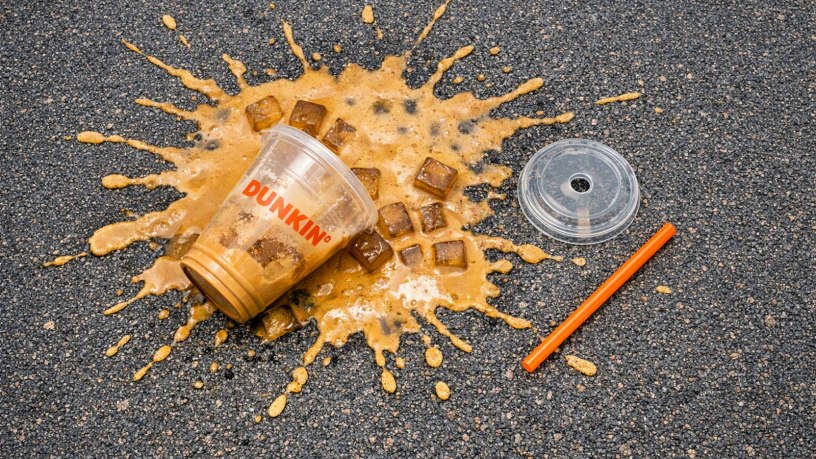
Iced coffee.
The generational war over cold caffeinated beverages entered a dangerous new phase this week after a corporate recruiter publicly warned members of Generation Z against bringing iced coffee to job interviews, opening a new front in a conflict experts say has quietly consumed much of the United States.
The latest offensive began when corporate recruiter Caitlin Wehniainen, who says she has 16 years of recruiting experience working with Fortune 500 companies, criticized Gen Z applicants for arriving at interviews carrying iced coffees and iced lattes.
Wehniainen said bringing the beverage makes an interview appear to be another stop on a candidate’s daily errands, somewhere between Target and Starbucks, and advised applicants to finish their coffee before entering the interview.
The comments immediately reignited hostilities between Gen Z iced coffee loyalists and older forces who believe professionalism begins with being miserable.
According to some military analysts, the remarks represent the most significant Millennial advance since the Battle of the Stanley Cup.
“This isn’t about professionalism anymore,” said Prof. Tad Crater, who teaches generational warfare at Franklin Pierce University. “This is about territory.”
Crater unfolded a large map of the United States that appeared to be printed from Google Maps approximately 15 minutes before the interview.
Most of the country had been colored red.
“They’ve taken the Midwest,” Crater said, pointing toward an area encompassing approximately 11 states. “The South collapsed months ago. California is basically gone. There are scattered Gen Z resistance cells operating out of Starbucks locations, but their supply lines are failing.”
Crater said the final major concentration of iced coffee drinkers is located in New England, where Massachusetts and New Hampshire have formed what military officials are calling the Dunkin’ Line.
The defensive network reportedly stretches from Boston north through Manchester and Concord, where residents continue drinking iced coffee despite temperatures that would cause frostbite within 15 minutes of exposure.
“New Hampshire is the key,” Crater said. “If Manchester falls, they have a straight shot north.”
Millennial forces have reportedly begun pushing into the region from Vermont and Connecticut.
Vermont units crossed the western frontier earlier this week carrying reusable mugs filled with ethically sourced hot coffee, while Connecticut forces have begun probing Massachusetts defenses from the south.
Massachusetts has responded by mobilizing an estimated 700,000 people named Sully.
New Hampshire Gov. Kelly Ayotte has not activated the National Guard because they are too busy sending forces to the U.S. Mexico border.
Maine, meanwhile, has declared neutrality because it’s alleged that Sen. Susan Collins has taken bribe money from anti-iced coffee defense contractors.
Officials there reportedly issued a statement saying Maine would not participate in the conflict and asked everyone involved to please stop yelling because they were trying to look at a lighthouse.
Despite fierce resistance in New England, iced coffee has become increasingly difficult to find across much of the nationwide war zone.
In several occupied territories, residents have reportedly been forced to drink hot coffee.
As the humanitarian situation continues to deteriorate, some have even resorted to tea.
Gen Z resistance fighters have established underground networks to distribute iced caramel macchiatos, cold brew and whatever the hell Starbucks puts inside a Pink Drink.
Plastic cups are reportedly being smuggled across state lines inside Stanley tumblers.
“They can take our jobs,” said one Gen Z fighter who identified herself only as Madison. “They can take our affordable housing. They can take away healthcare. They can make us return to the office everyday. But they will never take my venti vanilla sweet cream cold brew.”
She then took a sip through a straw while maintaining prolonged eye contact towards the Massachusetts western front.
The current controversy has divided actual recruiters and job seekers.
Some professionals have sided with Wehniainen, arguing that carrying a drink into an interview can appear overly casual or create distractions. Others have questioned why a candidate’s beverage should matter when evaluating whether that person can perform the job.
One recruiter, Steve Levy, told Business Insider the fixation on iced coffee distracts from performance based hiring, questioning whether employers want to hire people who produce results or police their beverage choices.
But those arguments have done little to stop the fighting.
Crater believes the recruiter controversy may represent a coordinated psychological operation designed to separate Gen Z from its primary caffeine supply.
“First they tell you not to bring iced coffee into the interview,” Crater said. “Then they tell you not to bring it into the office. Then suddenly you’re sitting at a desk drinking something some sort of lukewarm concoction squeezed out of a tube that hangs from ceiling into a ceramic mug that says ‘Mondays, am I right?’”
Crater shuddered.
“That’s how they get you.”
There is, however, one significant problem with the theory.
Millennials drink iced coffee.
A lot of it.
Cold coffee has been heavily associated with younger consumers for years, including both Millennials and Gen Z, meaning Millennials would effectively be waging a prolonged campaign to destroy one of their own preferred beverages.
Crater dismissed that contradiction.
“You think wars are supposed to make sense?” he asked.
As night fell over Concord, Gen Z defenders could still be seen manning positions outside Dunkin’, gripping large iced coffees as temperatures continued to fall.
Crater surveyed the defensive line before taking a long sip from his own large iced coffee.
Asked whether the entire conflict had been invented and whether iced coffee remained widely available throughout the United States, Crater stared silently into the distance.
“That’s exactly what they want you to think.”
Discover more from Alpine 6 Action News
Subscribe to get the latest posts sent to your email.

